
Why Strength Training Matters (Especially for Women)
I'll be honest with you. When I first started lifting weights, I thought it was a bit... not for me. I was a runner and a kickboxer. Barbells felt like they belonged to a different tribe.
I was wrong. And now I’m a personal trainer, I know just how wrong I was.
Here's what I tell almost every client — and particularly every woman — about strength training. And why I genuinely think it's one of the most important things you can do for yourself, at any age, at any fitness level, even if you've never set foot in a weights area.
The thing nobody tells women about strength training
We all – men and women - start losing muscle in our 30s. That's quite unsettling when you think about it, but it doesn't happen overnight. It creeps up on you gradually in a way you don't really notice until one day you do. Maybe you can't do things you used to be able to do. Or it shows up as unexplained tiredness, a metabolism that seems to have gone on a long holiday, putting on weight even when your diet hasn't changed. The classic middle-age spread isn't just about getting older — a big part of it is losing muscle and replacing it with fat, even when the scales stay roughly the same.
And the knock-on effects go beyond how you look or feel. Muscle is where your body stores blood sugar. Less muscle, worse blood sugar control — which is one of the reasons women who do regular strength training are significantly less likely to develop type 2 diabetes. Bone density, sleep quality, mood — all of it is affected by how much muscle you have and whether you're doing anything to maintain it.
The good news is that you can do something about it, whatever age you are. Your body is genuinely capable of building and maintaining muscle well into your 60s, 70s and beyond. I've seen it with my own clients.
Will strength training make you bulky?
I hear this constantly, and I promise you — it won't. That look takes years of extremely specific training and supplements. Resistance training for most women, done consistently, doesn’t do that. Instead it leaves you feeling stronger, sleeping better, and with more energy. Your clothes will fit better, and you’ll generally feel a bit more like yourself.
And it's genuinely good for your mood. There's solid research showing regular strength training reduces symptoms of depression — not in a vague 'have you tried going for a walk' way, but in a measurable, meaningful way. Even people who didn't get significantly stronger still experienced the mood benefit. Just showing up was enough.
If you'd like to try strength training with proper guidance, here's how I can help — I work with people at all levels in Helensburgh and Dumbarton.
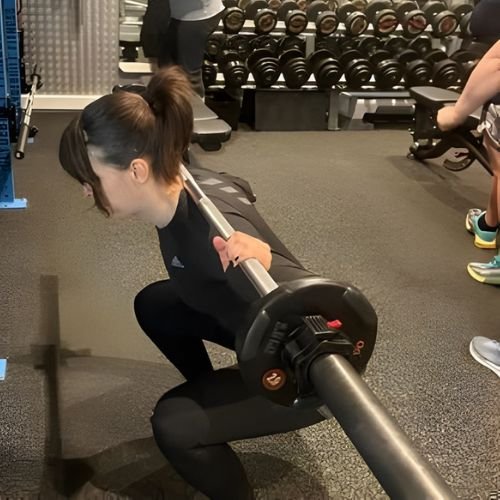
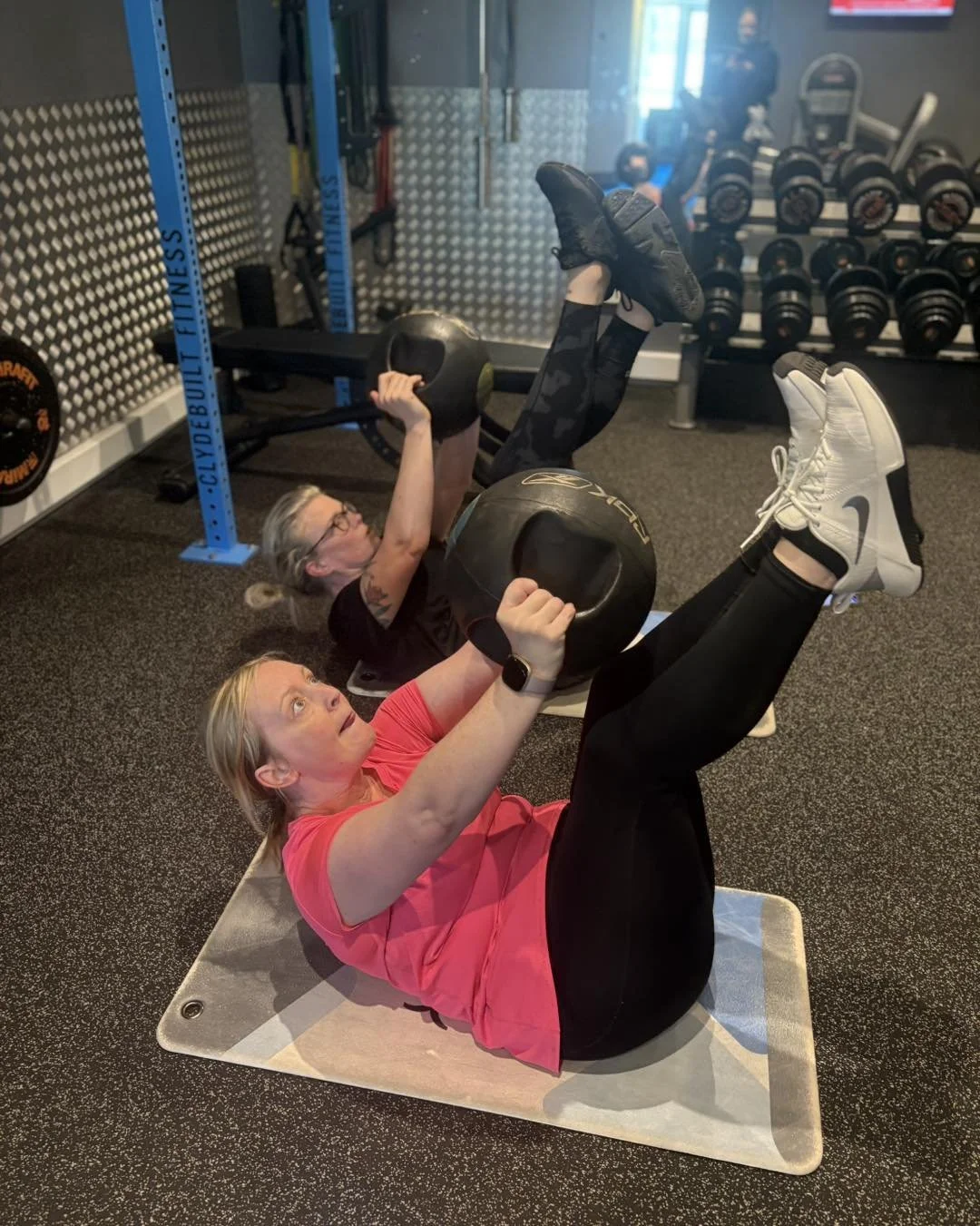
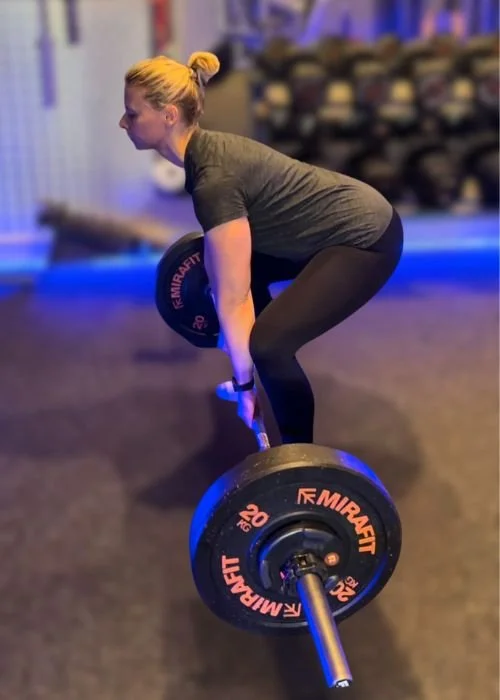
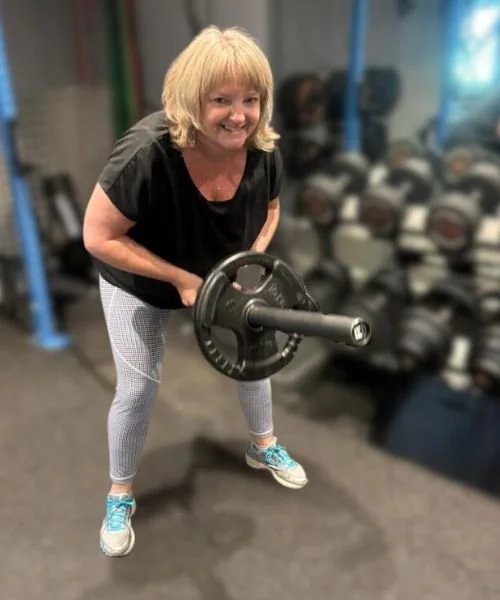
Strength training without a gym: yes, really
This is the bit I really want the gym-phobics to hear. Strength training — resistance training — just means working your muscles against some kind of load. That load can be a barbell, yes. It can also be a resistance band. It can be your own bodyweight. Lunges, squats, press-ups against the kitchen counter while you're waiting for the kettle to boil. Carrying your shopping. Getting up from a chair. Climbing stairs.
All of it counts. The difference between that and 'training' is just more intention and more regularity — and some equipment that makes it easier to do more - doing it consistently, and gradually making it a bit more challenging over time. That's what triggers the actual changes in your body.
Two or three sessions a week is enough to see real benefits. It doesn’t have to take over your life.
How to start strength training this week — no gym required
If you want to try it this week without committing to anything, here are a few things that actually work:
Sit down and stand up from a chair ten times in a row — without using your hands. Do it a few times a week. It sounds too simple, but it genuinely isn't, and you'll feel the difference within weeks.
Do calf raises while you brush your teeth. Two minutes, twice a day, already built into your routine.
Add some wall press-ups while you're waiting for the kettle to boil. It takes about 45 seconds and you'll already be doing it by the time you've remembered you were going to.
Take the stairs. Every time. Even just one flight.
Carry the shopping to the car rather than loading a trolley.
None of these things will transform you overnight. But it’s a start, and they will make you stronger. And once you feel stronger, you tend to want to do more. That's just how it works.
Want help putting a proper strength programme together?
If you'd like someone to put together a programme that makes sense for you — your body, your schedule, your goals — that's exactly what I do. We can keep it simple and low-key, or push it as far as you want to go. You set your goals, and I help you get there.
I'm based in Helensburgh and work with clients across Helensburgh, Dumbarton, Alexandria and Glasgow — in person and online across Scotland.
Drop me a message or give me a call (here’s how to get in touch) and we can have a no-obligation chat about what might work for you.